Financing as Low as 0% APR on Approved Credit. Find out More.
Terms and conditions apply. See details here.


A sauna stove, also called a sauna heater, is the heart of your sauna: the appliance that heats the room and the rocks that create steam. Choosing the right one is the single most important decision in building a sauna, because it determines how your sauna feels, how much it costs to run, how long it takes to warm up and even where you can put it. The three main types are wood-burning stoves, electric heaters and infrared heaters, and the best choice depends on where you live, how you want to use your sauna and the experience you are after. This guide walks through each option, how to size a stove and how to install and maintain it, so you can choose with confidence and get years of reliable heat.
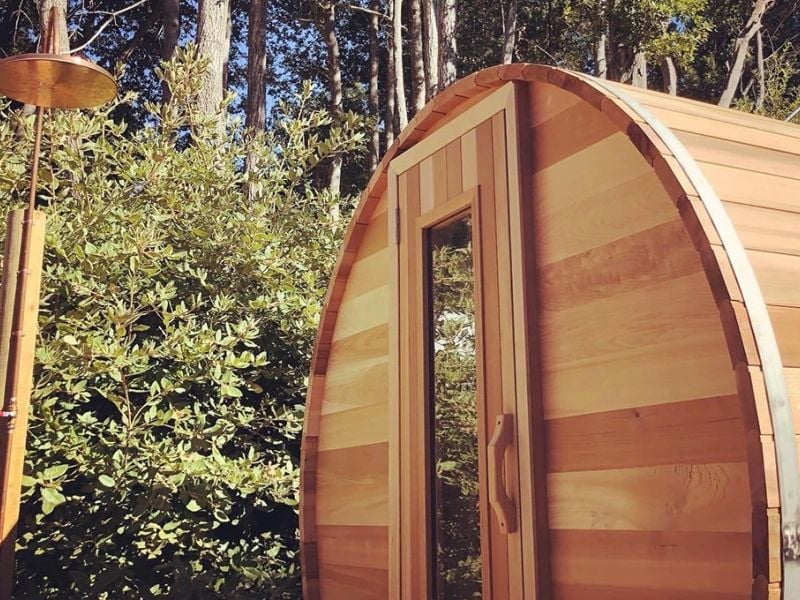
A sauna stove has one job with two parts: heat the air in the room to a comfortable sauna temperature, and heat a bed of sauna rocks so you can create steam. The rocks sit on top of or around the stove and act as a thermal battery, holding heat and releasing a burst of humidity, called loyly, when you pour water over them. A good stove brings the room up to temperature evenly and holds it steadily, so your sessions are comfortable from start to finish. Because the stove drives everything else, it should be the first component you choose. Decide on your heat source, then size it correctly to the room, and only then move on to benches, lighting and the finer details. Get the stove right and the rest of the sauna falls into place.
There is no single best stove, only the best stove for your situation. Here is how the three main types compare at a glance.
| Stove type | Best for | Trade-offs |
|---|---|---|
| Wood-burning | Off-grid sites, tradition, ambiance | Needs firewood, venting and code approval |
| Electric | Convenience, indoor and city use | Needs adequate electrical supply |
| Infrared | Lower-temperature, radiant sessions | A different experience from true sauna heat |
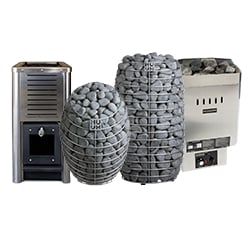
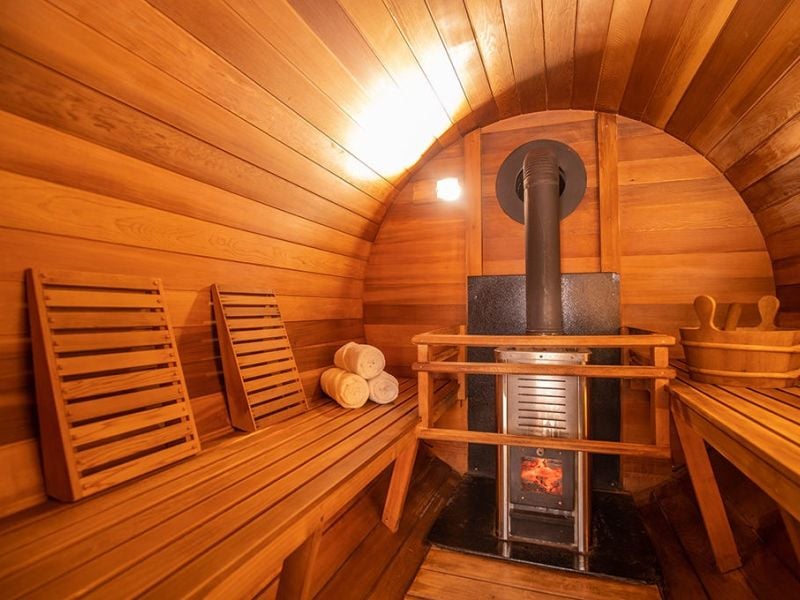
A wood-burning sauna stove delivers the most traditional experience there is: the crackle of the fire, the deep enveloping heat and the unmistakable aroma of a wood-fired sauna. Wood stoves are ideal for anyone off the grid or living where firewood is plentiful and inexpensive, and they keep working when the power does not. Many people choose wood no matter where they live simply because they love the ritual and the quality of the heat, which tends to be softer and more radiant than an electric element. A large-capacity model like the Timberline wood sauna stove can heat a generous room. The trade-offs are practical: you need to store and split wood, the stove requires a proper chimney and clearances, and local building codes, insurance rules and regulations may restrict wood-burning appliances. Always check your local codes before buying a wood stove. When those boxes are ticked, nothing matches the character of a wood fire.
An electric sauna heater is the most popular choice for indoor and city saunas, and for good reason. It heats the room and rocks precisely and on demand, with no wood to cut, store or clean up and no ashes to sweep out. Flip a switch or set a timer and the sauna is ready, which is exactly the convenience most homeowners want at the end of a long day. Electric heaters come in a wide range of sizes and with mechanical or digital controls, and the best ones hold a good bed of rocks so you still get proper loyly steam. The main requirement is an adequate electrical supply: larger heaters need a dedicated circuit, so factor the wiring into your plans. If you value a clean, low-effort routine and reliable heat, an electric heater is usually the sensible pick. Match the heater output to your room using our sauna heater sizing chart.
Infrared is a different animal. Rather than heating the air and rocks, infrared heaters emit radiant energy that warms your body directly at a much lower air temperature, typically 120 to 150°F. Some people find this gentler and easier to tolerate for longer sessions. It is worth understanding that an infrared cabin is technically a different experience from a traditional sauna: because it does not heat rocks, you do not get loyly steam, and the feel is radiant warmth rather than the hot, humid-on-demand air of a true sauna. If a lower-temperature, dry radiant session appeals to you, infrared is a valid option; if you want the classic sauna experience with steam, a wood or electric stove paired with rocks is the way to go.
Sizing is where many first-time buyers go wrong, and it matters more than the brand. A stove that is too small will struggle to reach temperature and run flat out, wearing itself out and never feeling quite hot enough. A stove that is too large wastes energy and can overheat a small room. The right size is based on the cubic volume of your sauna, roughly the length times width times height of the room, with adjustments for uninsulated walls, glass doors and outdoor exposure, all of which shed heat and call for more power. As a rule, a well-insulated cedar room needs about 1 kilowatt of electric heater output per 45 to 50 cubic feet of space, but always follow the manufacturer's sizing chart for the specific stove. Our sauna heater sizing chart makes this straightforward, and our team is happy to help you match a stove to your exact room.
A sauna stove runs hot, so safe installation is not optional. Every stove needs the clearances to combustible surfaces specified by its manufacturer, and a wood-burning model needs a properly installed, code-compliant chimney with the correct heat shielding around it. Electric heaters must be wired by a qualified electrician on a suitably rated circuit, with the controls and any high-limit cut-out installed as the maker directs. Guardrails around the hot stove are a sensible addition, especially in a family sauna, to prevent accidental contact with the rocks or casing. Keep the sauna separate from wet areas, ensure the room has adequate ventilation so fresh air reaches the heater, and never store towels, clothing or flammable items against or above the stove. Taking the time to install the stove correctly protects your home, your family and the life of the heater itself. When in doubt, have the work inspected; it is a small step that buys real peace of mind.
A little routine care keeps any sauna stove running well for years. For a wood stove, empty the ash pan regularly, check the flue and chimney for creosote buildup at least once a season, and inspect the firebox and door seals for wear. For an electric heater, keep the elements clear of debris, wipe down the casing, and watch for any element that glows unevenly or fails to heat, which signals it is time for a replacement part. On every stove, pull the rocks once or twice a year, brush out the grit and crumbled fragments that collect underneath, discard any cracked stones, and re-stack a properly filled bed of fresh rocks. Under-filled heaters run hotter on the elements and wear out faster, so keeping the rock bed topped up actually protects the stove. None of this takes long, and it makes the difference between a heater that lasts a few years and one that lasts many.
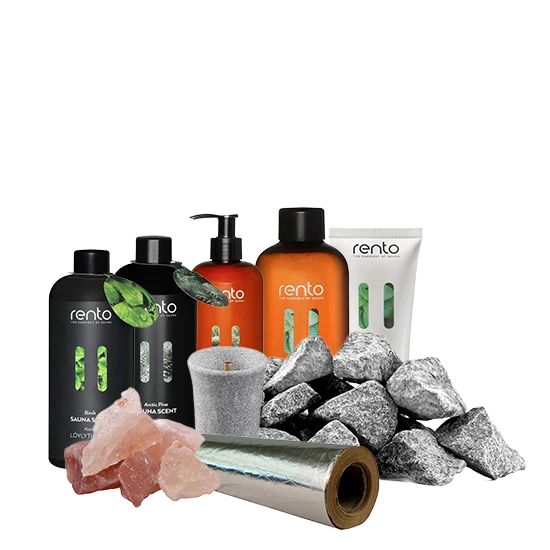
Whichever stove you choose, the rocks on top are what turn raw heat into a genuine sauna. Good sauna rocks store the stove's heat and let you create steam whenever you want it by pouring on water. Poor or worn rocks give weak, damp steam and can clog the heater, so it is worth using dense, purpose-made stones and re-stacking them once a year. The stove and the rocks work as a team: the stove supplies the energy, and the rocks shape it into the dry heat and loyly that make sauna bathing so enjoyable. When you buy a heater, plan to fill it properly and keep a spare bag of rocks on hand.
Your location often settles the decision. If you live somewhere rural with easy access to firewood, or off the grid entirely, a wood stove is a natural fit and a joy to use. In a city apartment or a finished basement, an electric heater is almost always the practical answer, since it needs no chimney and no fuel storage. If your home already runs on a particular energy source, leaning into it, electric where power is cheap and reliable, wood where fuel is abundant, usually gives the best value. Think about how often you will use the sauna, too: for daily quick sessions, the flip-a-switch convenience of electric is hard to beat, while for weekend rituals, the wood fire becomes part of the pleasure. There is no wrong answer, only the one that fits your life.
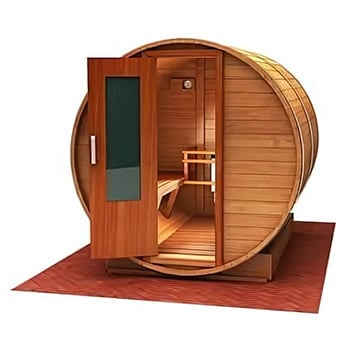
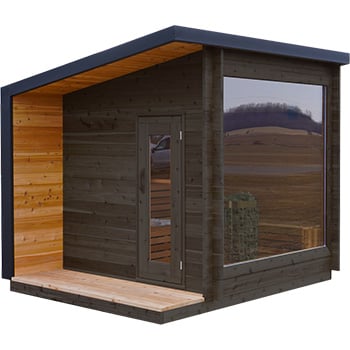
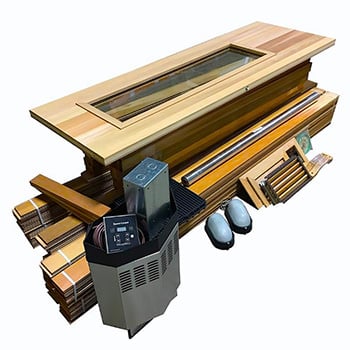
The stove is the heart, but it lives inside a great sauna. Northern Lights Cedar Saunas handcrafts cedar barrel saunas and outdoor saunas from clear Western red cedar, matched with quality heaters and rocks so everything works together from day one. Prefer to build it yourself? Our DIY sauna kits arrive precut and ready to assemble. Cedar is the ideal partner for any stove because it stays stable through the heat, resists decay and fills the room with a clean aroma; read why cedar is the best choice for saunas. Whatever heat source you choose, pairing it with a properly built cedar room is what delivers the full benefits of a sauna for years to come.
The terms are used interchangeably. Both describe the appliance that heats the sauna room and the rocks. Wood-burning versions are usually called stoves, while electric and infrared versions are usually called heaters, but they do the same core job.
Neither is universally better. Wood stoves give the most traditional experience and work off-grid but need fuel, venting and code approval. Electric heaters are more convenient and better suited to indoor and city use. Choose based on your location, how often you will use the sauna, and the experience you want.
Size the heater to the cubic volume of your room, adding power for uninsulated walls, glass or outdoor exposure. A well-insulated cedar room needs roughly 1 kilowatt per 45 to 50 cubic feet. Always confirm against the manufacturer's sizing chart for your specific stove.
Traditional wood and electric sauna stoves use rocks to store heat and create steam. Infrared heaters do not, because they warm your body directly rather than heating rocks, which is why an infrared cabin does not produce loyly steam.
Most electric heaters bring a well-insulated room to temperature in about 30 to 45 minutes, while wood stoves can take a little longer as the fire builds. Outdoor saunas and cold-climate installations warm up more slowly, which is another reason to size the stove generously.
Yes. Both wood and electric stoves are used in outdoor saunas; just size the heater for the extra heat loss and follow the manufacturer's clearance and, for wood, chimney requirements. Our outdoor and barrel saunas are built to pair with a properly matched stove.
A sauna stove, also called a sauna heater, is the appliance that heats the sauna room and the rocks. It is the heart of the sauna and the first component you should choose.
There is no single best stove, only the best for your situation. Wood-burning stoves suit off-grid and traditional users, electric heaters suit indoor and city saunas, and infrared offers a gentler, lower-temperature session.
Running cost comes down to the electricity or firewood used during sessions. A well-insulated cedar room heats efficiently, so a typical home session is inexpensive compared with running a hot tub.
Follow the manufacturer clearances to combustible surfaces, keep the stove away from the door path, and add a guardrail in a family sauna. Wood stoves also need a proper, code-compliant chimney.
Often yes. Many saunas can take either a wood or an electric heater, provided the room has the electrical supply for the size of heater you need. Match the heater output to the room volume and follow local code.
Northern Lights handcrafts cedar barrel saunas, outdoor saunas and DIY kits from clear Western red cedar, built for steady, comfortable heat that lasts for decades.
Shop Cedar Saunas
Looking for the perfect cedar sauna for your home? We’re here to help you find exactly what you need, from handcrafted cedar barrel saunas to outdoor saunas that promote relaxation and wellness. Whether you have questions about our products, installation, or need help with an order, our team is ready to assist.
Fill out the form, and we’ll get back to you as soon as possible to guide you toward a healthier lifestyle with the natural benefits of wood saunas.