Financing as Low as 0% APR on Approved Credit. Find out More.
Terms and conditions apply. See details here.
Sauna rocks are heat-retaining stones that sit on top of your sauna heater and turn a splash of water into a burst of soft steam, called loyly. They are what make a traditional sauna feel alive: they store the heater's energy, even out the temperature of the room, and release it as gentle, humid heat the moment you ladle water over them. Choosing the right rocks, stacking them correctly and replacing them on schedule has a direct effect on how good your sauna feels and how safely it runs. Here is everything you need to know.
Sauna rocks rest directly on your sauna heater and serve two jobs at once. First, they act as a thermal battery: as the heater runs, the stones soak up heat and hold it, which keeps the room's temperature steady instead of swinging up and down every time the element cycles. Second, they are what produce steam. When you pour water over hot rocks, it flashes instantly into a wave of humidity that lifts the perceived heat and makes you sweat, the effect Finns call loyly. Without rocks, an electric or wood heater would just bake dry air; with them, you get the enveloping, adjustable heat that defines a real sauna. The more thermal mass you have in good rocks, the more forgiving and consistent your sessions will be.
Not every stone belongs in a sauna. The best sauna rocks are dense, non-porous igneous stones such as peridotite, olivine (also sold as olivine diabase) and vulcanite. These are prized because they have a high specific heat, heat evenly, and resist the cracking that comes from being heated to 400°F or more and then hit with cold water. Good sauna rocks share a few traits:
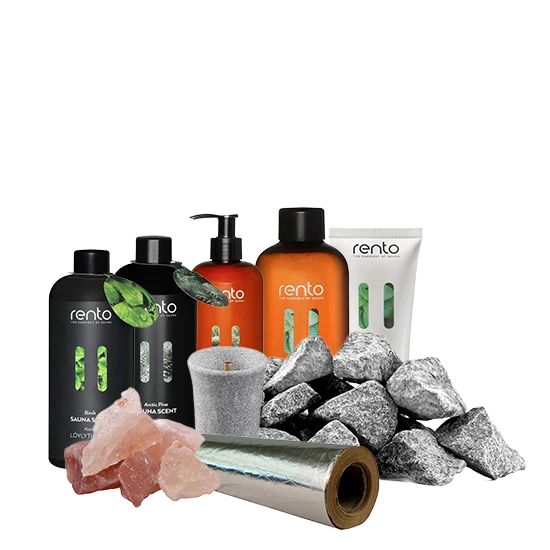
The simplest way to get this right is to buy stones sold specifically for saunas. Our sauna replacement rocks are graded and cleaned for exactly this purpose, so you skip the guesswork.
This is the part that matters for safety, not just performance. Never gather rocks from a river, lake or beach for your sauna. Stones that have spent time in water almost always hold moisture deep inside, and when that trapped water heats past boiling it expands violently and can make the rock explode, throwing hot fragments across the room. Avoid rocks with a high quartz or iron content, which produce little steam and can spark or discolour. Soft or crumbly stones such as sandstone and limestone break down fast and clog the heater. Some rocks even release unpleasant or unsafe fumes when heated. The bottom line: purpose-made sauna rocks from a qualified sauna dealer such as Northern Lights are the only ones you should trust inside a hot heater.
| Rock type | Verdict | Why |
|---|---|---|
| Peridotite / olivine diabase | Best choice | Dense, non-porous, excellent heat retention |
| Vulcanite | Good | Durable igneous stone made for saunas |
| River or beach stones | Never | Trapped water can cause them to explode |
| Quartz or high-iron rock | Avoid | Poor steam, can spark or smell |
| Sandstone / limestone | Avoid | Soft, crumbles quickly, clogs the heater |
The magic moment in any sauna is the hiss of water hitting hot stone. Understanding what happens explains why rock quality matters so much. A well-heated sauna rock sits at 400 to 600°F on its surface. When you ladle a small amount of water onto it, the water contacts that superheated surface and flashes to vapour almost instantly, expanding to roughly 1,600 times its liquid volume. That sudden burst of vapour is loyly, and it briefly raises the humidity in the room from the bone-dry 10 to 20 percent of a resting sauna to a moist, skin-tingling wave. Your body reads that spike in humidity as a jump in heat, even though the air temperature barely moves, which is why a single pour can make a comfortable sauna suddenly feel intense. Dense, non-porous rocks deliver this cleanly because they store enough heat to vaporise the water fully; porous or worn rocks cool too fast and give a weak, damp result instead of a crisp burst.
Sauna rocks need very little care, but a small routine keeps them performing and safe. Once or twice a year, remove the rocks completely, brush out any grit, sand or crumbled fragments that have collected in the heater, and check the heating elements or firebox for debris. Rinse the good rocks under clean water to wash away dust and mineral residue, let them dry, and re-stack them following the loose-but-covering method above. This is also the moment to cull: set aside any stone that is visibly cracked, flaking or has shrunk noticeably, and top up with fresh rocks so the heater stays properly filled. A heater that is under-filled runs hotter on the elements and wears out faster, so keeping the rock bed topped up actually protects your investment in the heater itself.
Yes, carefully. A few drops of a sauna-safe essential oil, such as eucalyptus, pine or birch, diluted in the water you pour over the rocks can add a pleasant aroma and open up the airways. The key words are diluted and sauna-safe: never pour undiluted oil directly onto hot rocks, because concentrated oil can ignite and it leaves a sticky residue that bakes onto the stone and heater. Always mix the oil into your ladle of water first, use only products labelled for sauna use, and keep the amount small. If you prefer to keep things simple, plain water produces perfect loyly on its own, and the natural aroma of a cedar sauna room provides plenty of fragrance without any additives.
How you load the rocks is almost as important as which rocks you choose. The goal is full coverage of the heating elements with enough gaps for air to circulate. Follow these steps:
If your heater uses an open basket or grill design, expect a little less steam control than a rock-filled well, and adjust your water pours accordingly.
Sauna rocks are consumable. The constant cycle of intense heating and sudden cooling puts huge stress on the stone, and over time even the best rocks develop hairline cracks, crumble at the edges and settle into a tighter pile. Crumbling rocks are a problem because they hold heat poorly, produce weak steam and can pack down to block airflow through the heater. As a rule of thumb, inspect your rocks once a year and re-stack them, discarding any that are cracked or flaking. Plan to replace the full set roughly every one to two years for a home sauna used regularly, sooner for a busy commercial installation. Keeping a spare bag of replacement sauna rocks on hand makes this a five-minute job.
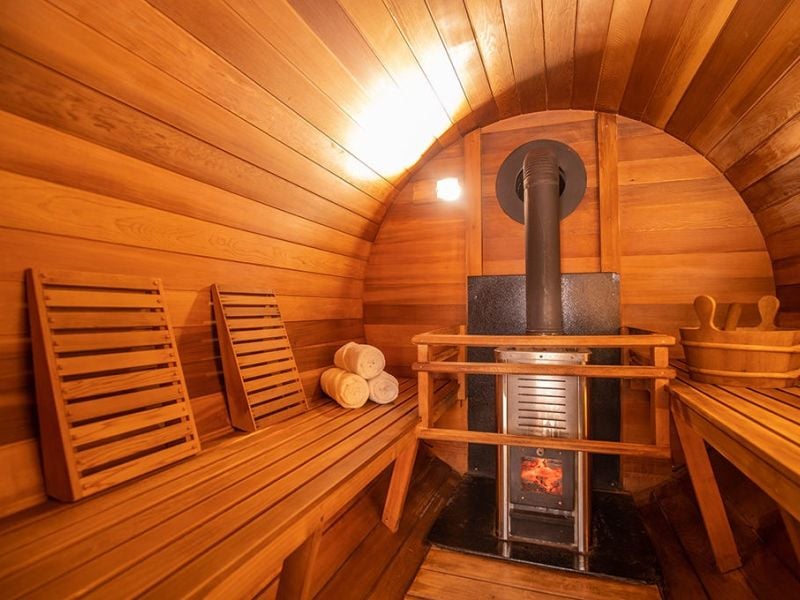
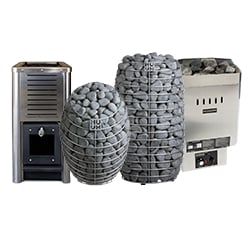
Yes, for both, though the details differ. A wood-fired sauna heater and a traditional sauna stove tend to hold a large volume of rocks, which stores enormous heat and gives that deep, long-lasting warmth wood-fired fans love. An electric sauna heater holds fewer rocks but heats them precisely and on demand, which is why matching the rock quantity to your heater's design matters. Whichever you run, the rocks are what convert raw heat into the humid, breathable warmth of a genuine sauna. If you are still deciding between heat sources, our comparison of heater options and sauna heater sizing chart will help you match the heater, and the rocks, to your room.
Once your rocks are seasoned and stacked, steam becomes an instrument you can play. Pour a small ladle of clean water slowly over the hottest part of the pile for a gentle rise in humidity, or add a little more for a stronger wave. Never drench the rocks, and never pour anything but water unless it is a sauna-safe essential oil made for the purpose. Good rocks reward good technique: they turn each pour into soft steam rather than a harsh blast, and they recover their heat quickly so you can build the session at your own pace. This interplay of dry heat and controlled steam is a core part of the health benefits of a sauna and of the classic Finnish sauna experience.
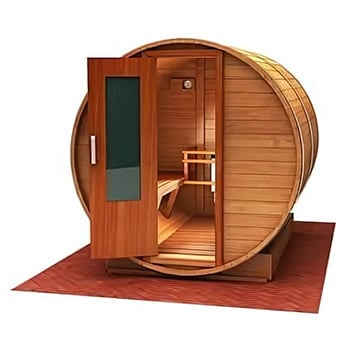
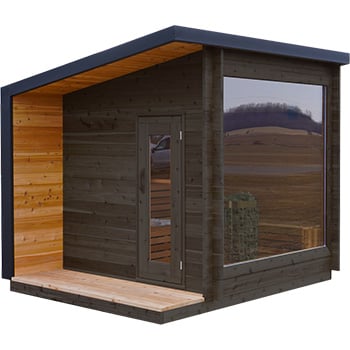
Great rocks belong in a great sauna. Northern Lights handcrafts cedar barrel saunas and outdoor saunas from clear Western red cedar, paired with quality heaters and the right rocks to give you consistent, comfortable heat for years. Whether you are outfitting a brand-new sauna or refreshing an old one, starting with proper stones and a matched heater is the foundation of every good session. It is easy to overlook something as humble as a pile of rocks, but they are the single component that turns a hot box into a true sauna, and they are inexpensive to get right. Explore our full range of sauna accessories to complete your setup, and if you are still choosing between heat sources, our guide to dry saunas and comparison of wet versus dry saunas will help you build the experience you want.
No. Ordinary landscaping, river or beach rocks can trap water and explode when heated, and many contain quartz, iron or organics that spark, smell or crumble. Only use dense igneous stones sold specifically as sauna rocks.
Enough to fully cover your heater's elements with a little depth on top, following the heater manufacturer's fill capacity. Home heaters typically take 20 to 40 pounds; larger commercial units take more.
Usually the rocks are too cool, packed too tightly, or worn out. Make sure the heater has fully warmed the rocks, loosen the pile so air can circulate, and replace any that have crumbled or are high in quartz or iron.
For a home sauna used regularly, expect one to two years before the rocks crack and crumble enough to warrant replacement. Inspect and re-stack them at least once a year.
Store and stack them dry. You add water only during a session, a small ladle at a time over the hot rocks, to create steam. Rocks that stay wet or sit in standing water are more likely to crack and can harbour mineral buildup.
A mix of sizes is ideal: larger stones (roughly 2 to 5 inches) on the bottom for stable heat storage, and smaller ones on top where you pour the water. The variety keeps air gaps open while giving you a good surface for steam.
Sauna rocks are dense, heat-retaining stones that sit on top of the sauna heater. They store the heater energy and release a burst of steam, called loyly, when you pour water over them.
The best sauna rocks are dense, non-porous igneous stones such as peridotite, olivine diabase and vulcanite. They hold heat well and resist cracking under the repeated heating and cooling of sauna use.
Yes. Pouring a small ladle of water over the hot rocks creates a burst of steam and humidity called loyly. Use water only, or a sauna-safe essential oil diluted in the water, and never drench the rocks.
Rocks gathered from a river, lake or beach can. They trap water inside, and when that water heats past boiling it can make the rock burst. This is why you should only use purpose-made sauna rocks.
Buy rocks sold specifically for saunas from a qualified dealer. Our graded, cleaned replacement sauna rocks are made for the job, so you avoid the safety and performance problems of using ordinary stones.
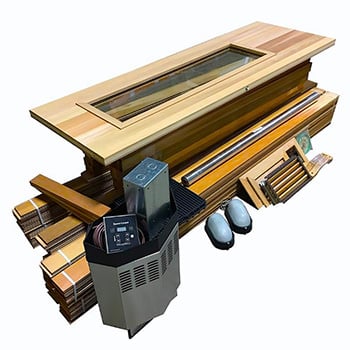
Northern Lights handcrafts cedar barrel saunas, outdoor saunas and DIY kits from clear Western red cedar, built for steady, comfortable heat that lasts for decades.
Shop Cedar Saunas
Looking for the perfect cedar sauna for your home? We’re here to help you find exactly what you need, from handcrafted cedar barrel saunas to outdoor saunas that promote relaxation and wellness. Whether you have questions about our products, installation, or need help with an order, our team is ready to assist.
Fill out the form, and we’ll get back to you as soon as possible to guide you toward a healthier lifestyle with the natural benefits of wood saunas.