Financing as Low as 0% APR on Approved Credit. Find out More.
Terms and conditions apply. See details here.


A steam sauna, more properly called a steam room or steam bath, is a heated room kept at around 110 to 120°F with close to 100 percent humidity, so the air is thick with warm moisture rather than dry heat. That wall of humidity is what sets it apart from a traditional dry sauna: instead of high-temperature dry air, you sit in a warm cloud that opens your airways and coats your skin in condensation. Steam bathing has been valued for relaxation and cleansing for centuries, and it pairs beautifully with the dry heat of a classic sauna. This guide explains how steam saunas work, their benefits and risks, how they compare to dry heat, and how a cedar sauna lets you enjoy steam on your own terms without building a dedicated steam room.

A true steam room uses a steam generator to fill a sealed, tiled or acrylic room with vapour, holding the humidity near saturation while the temperature stays comfortably lower than a dry sauna. Because the air already holds all the moisture it can, sweat does not evaporate off your skin; instead you are enveloped in warmth and condensation. The lower temperature makes a steam room feel gentler than the intense dry heat of a sauna, even though the humidity makes the warmth feel heavy and immediate. A traditional Finnish-style sauna approaches the same idea from the other direction: it runs hot and dry, and you create bursts of steam yourself by pouring water over hot sauna rocks, an effect called loyly. That means a good cedar sauna can give you both a dry bake and a rolling wave of steam whenever you want it.
Steam bathing is one of the oldest wellness rituals in the world, and nearly every culture developed its own version. The Romans built elaborate public bath houses with steam-filled caldarium rooms at the heart of social life. In Turkey and across the Middle East, the hammam refined steam bathing into a cleansing ritual that is still practised today. Russia has its banya, where bathers alternate steam with cold plunges, and Finland perfected the dry sauna with its splash of loyly steam. What all of these share is a simple insight that people discovered independently around the globe: warming the body deeply, sweating freely and then cooling down leaves you clean, relaxed and restored. Modern steam rooms and saunas are the direct descendants of these traditions, and the appeal has never really changed. When you add a sauna or steam experience to your home, you are carrying forward a practice that humans have valued for thousands of years.
Steam bathing offers many of the same rewards as dry heat, with a few of its own. The warmth relaxes muscles and eases tension, the rise in heart rate gives your circulation a gentle workout, and the enforced stillness of a steam session is a proven way to lower stress. The standout feature of steam is what it does for your airways: the warm, moist air can soothe the nose, throat and chest, which is why many people find a steam room comforting during a cold or a bout of congestion. Heavy sweating also flushes the pores and leaves skin feeling soft and clean. For the deeper, research-backed picture of what heat bathing does for the body, see our guide to the health benefits of a sauna, and for a companion overview see the many benefits of a steam room.
The core difference is humidity. A dry sauna runs hot, from 150 to 195°F, with very low humidity, so sweat evaporates freely and the heat feels clean and breathable. A steam room runs cooler, around 110 to 120°F, but at near-total humidity, so the warmth feels heavy and wraps around you. Neither is objectively better; they simply feel different and suit different preferences. Dry saunas have the larger body of long-term health research behind them and are far easier to install and maintain at home, while steam rooms shine for airway comfort and that immersive, foggy warmth. Many people love both. For a full side-by-side comparison, read our guide to wet versus dry saunas.
| Feature | Steam sauna / room | Dry sauna |
|---|---|---|
| Temperature | 110 to 120°F | 150 to 195°F |
| Humidity | Near 100% | Low (10 to 20%) |
| Feel | Heavy, moist, enveloping | Hot, dry, breathable |
| Best for | Airways, gentle warmth | Heat conditioning, tradition |
| Home upkeep | Sealed room, steam generator | Low; a heater and rocks |
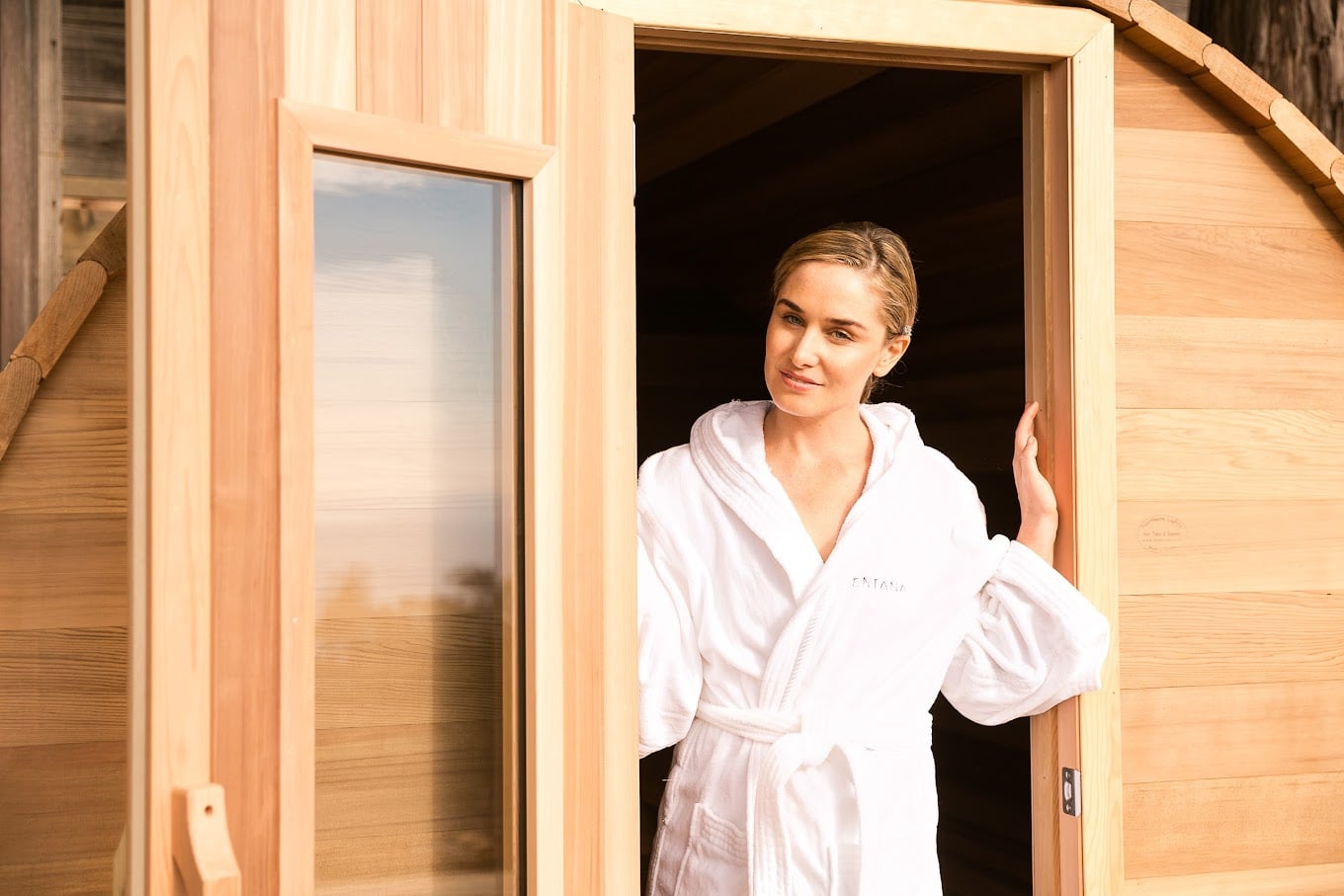
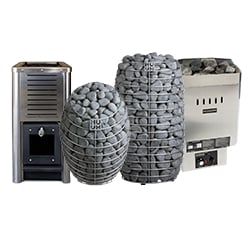
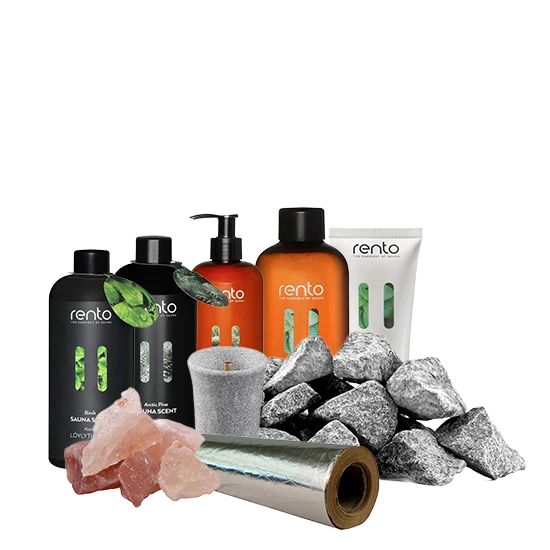
Yes, and this is where a cedar sauna quietly wins for most homeowners. A traditional sauna heats the room and a bed of rocks to a high temperature, and the moment you ladle water over those hot rocks, the water flashes to vapour and rolls through the room as loyly. You control it completely: a small pour for a light lift in humidity, a larger one for a thick, steamy wave. Between pours the room returns to dry heat. That means one cedar sauna delivers the full range, from a bone-dry Finnish bake to a steamy, humid session, without the sealed tiled room and dedicated steam generator a true steam room requires. The quality and quantity of your sauna rocks and a properly matched heater determine how good that steam feels, which is why we build our saunas to pair cedar with the right stones and heat source.
Steam saunas are safe for most healthy adults, but the heat and humidity do call for common sense. Keep sessions moderate, especially at first, and step out if you feel dizzy, lightheaded or unwell. Hydrate with water before and after, since you lose fluid through heavy sweating. Never use a sauna or steam room after drinking alcohol, and be cautious combining heat bathing with medications that affect blood pressure, heart rate or hydration; if you are unsure, ask your pharmacist or doctor. Anyone who is pregnant, has heart disease, low or unstable blood pressure, or a chronic medical condition should get a doctor's guidance before starting a regular routine. This article is general information, not medical advice, so let your own health circumstances guide how you use the heat.
For most people, a comfortable steam or sauna session runs 10 to 20 minutes. Beginners should start at the shorter end and build up as their bodies adjust to the heat. If you want a longer experience, it is better to do two or three shorter rounds with a cool-down and a drink of water in between than to sit in the heat continuously. Listen to your body: the goal is to finish feeling relaxed and refreshed, never faint or exhausted. Consistency matters more than endurance, and a sustainable habit of regular, moderate sessions delivers far more benefit than the occasional marathon.
A little technique turns a good session into a great one. Start by hydrating with a glass of water, then warm up gradually rather than plunging into the hottest, steamiest phase right away. In a cedar sauna, build the humidity in stages: enjoy the dry heat first, then add loyly with small, measured pours over the rocks so the steam rolls up gently rather than all at once. Sit lower on the bench if the heat feels too strong, since heat rises and the upper benches are always hotter. Keep a towel underneath you, breathe slowly through the nose, and let your shoulders drop. When you are ready, step out to cool down, rinse or take a breath of fresh air, and rehydrate before deciding whether to go again. Finishing with a cool rinse is part of the tradition in many cultures and leaves you feeling invigorated rather than drowsy.
A dedicated steam room does need a fully sealed, waterproof enclosure and a steam generator, which is a significant build and a real maintenance commitment. That is one of the biggest reasons homeowners who want the best of both worlds choose a traditional cedar sauna instead. A cedar sauna needs no plumbing or steam generator: you get dry heat by default and steam on demand by pouring water on the rocks, all in a room that is simple to install and easy to keep clean. If a low-temperature, radiant experience appeals to you as well, our guide to the benefits of infrared saunas covers a third option, and our overview of dry saunas explains why the dry-heat design is so practical for the home.
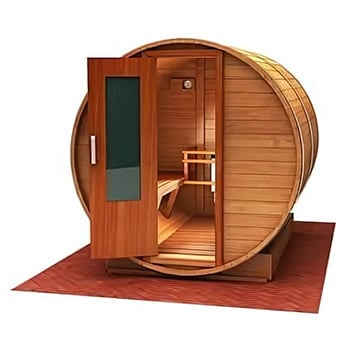
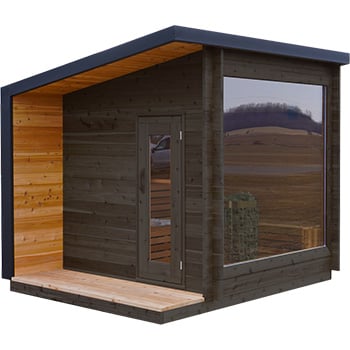
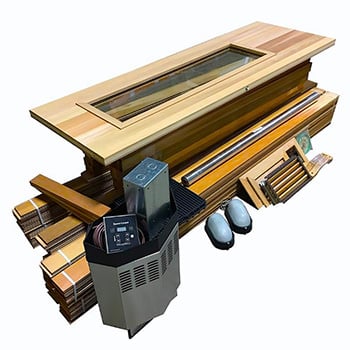
Northern Lights Cedar Saunas handcrafts saunas from clear Western red cedar that let you enjoy dry heat, loyly steam, or anything in between, all in one beautiful room. Browse our cedar barrel saunas, our full range of outdoor saunas, and our precut DIY sauna kits that arrive ready to assemble. Cedar is the ideal wood for this because it stays stable through heat and humidity, resists rot and fills the room with a clean, natural aroma; see why cedar is the best choice for saunas. However you like your heat, on any given day, a cedar sauna gives you the flexibility that a fixed steam room simply cannot.
The terms are used interchangeably. Both describe a heated space kept at high humidity by a steam generator, typically around 110 to 120°F. A traditional sauna is different: it uses dry heat, with steam created on demand by pouring water over hot rocks.
Neither is universally better. Dry saunas have more long-term health research behind them and are easier to maintain, while steam rooms are prized for soothing the airways and offering gentler, moist warmth. Many people enjoy both, and a cedar sauna can provide either.
Many people find the warm, moist air of a steam session soothing when they are congested, as it can help open the sinuses and airways. It is comfort care, not a cure, so keep sessions moderate and see a doctor for persistent or severe symptoms.
Yes. Pour a ladle of water over the hot rocks and it flashes into a wave of steam called loyly. You control the amount, so a single cedar sauna gives you dry heat and steam without a separate steam room.
Most healthy adults can enjoy a steam or sauna session daily, provided each one is a comfortable 10 to 20 minutes and you stay well hydrated. Build up gradually if you are new to heat bathing, and check with your doctor first if you have any medical condition.
Steam opens the pores and the heavy sweating helps flush away surface debris, which is why skin often looks and feels clearer after a session. Rinse off afterward and moisturise to lock in the benefit, and always rehydrate to support your skin from the inside.
A steam sauna, or steam room, is a heated space kept at around 110 to 120 degrees Fahrenheit with close to 100 percent humidity, so you sit enveloped in warm, moist air rather than dry heat.
Steam bathing relaxes muscles, lowers stress and, thanks to the moist air, can soothe the sinuses, throat and chest. Heavy sweating also flushes the pores and leaves skin feeling soft.
A steam room runs cooler than a dry sauna, usually 110 to 120 degrees Fahrenheit, but the near-total humidity makes that warmth feel heavy and immediate on the skin.
Keep sessions to about 10 to 20 minutes, starting shorter if you are new to it. Step out to cool down and rehydrate between rounds rather than staying in continuously.
A dedicated steam room needs a sealed enclosure and a steam generator. A traditional cedar sauna avoids all of that: it gives dry heat by default and steam on demand when you pour water over the rocks.
Northern Lights handcrafts cedar barrel saunas, outdoor saunas and DIY kits from clear Western red cedar, built for steady, comfortable heat that lasts for decades.
Shop Cedar SaunasLooking for the perfect cedar sauna for your home? We’re here to help you find exactly what you need, from handcrafted cedar barrel saunas to outdoor saunas that promote relaxation and wellness. Whether you have questions about our products, installation, or need help with an order, our team is ready to assist.
Fill out the form, and we’ll get back to you as soon as possible to guide you toward a healthier lifestyle with the natural benefits of wood saunas.