Financing as Low as 0% APR on Approved Credit. Find out More.
Terms and conditions apply. See details here.


Sauna health benefits are the physical and mental improvements that come from regular, whole-body heat exposure in a sauna heated to roughly 150 to 195°F. Sitting in that heat raises your heart rate, widens your blood vessels and makes you sweat, and doing it consistently has been linked in peer-reviewed research to better heart health, faster muscle recovery, lower stress and improved sleep. Below is a plain-English look at what a sauna actually does for your body, what the science supports, and how to enjoy those benefits safely at home.
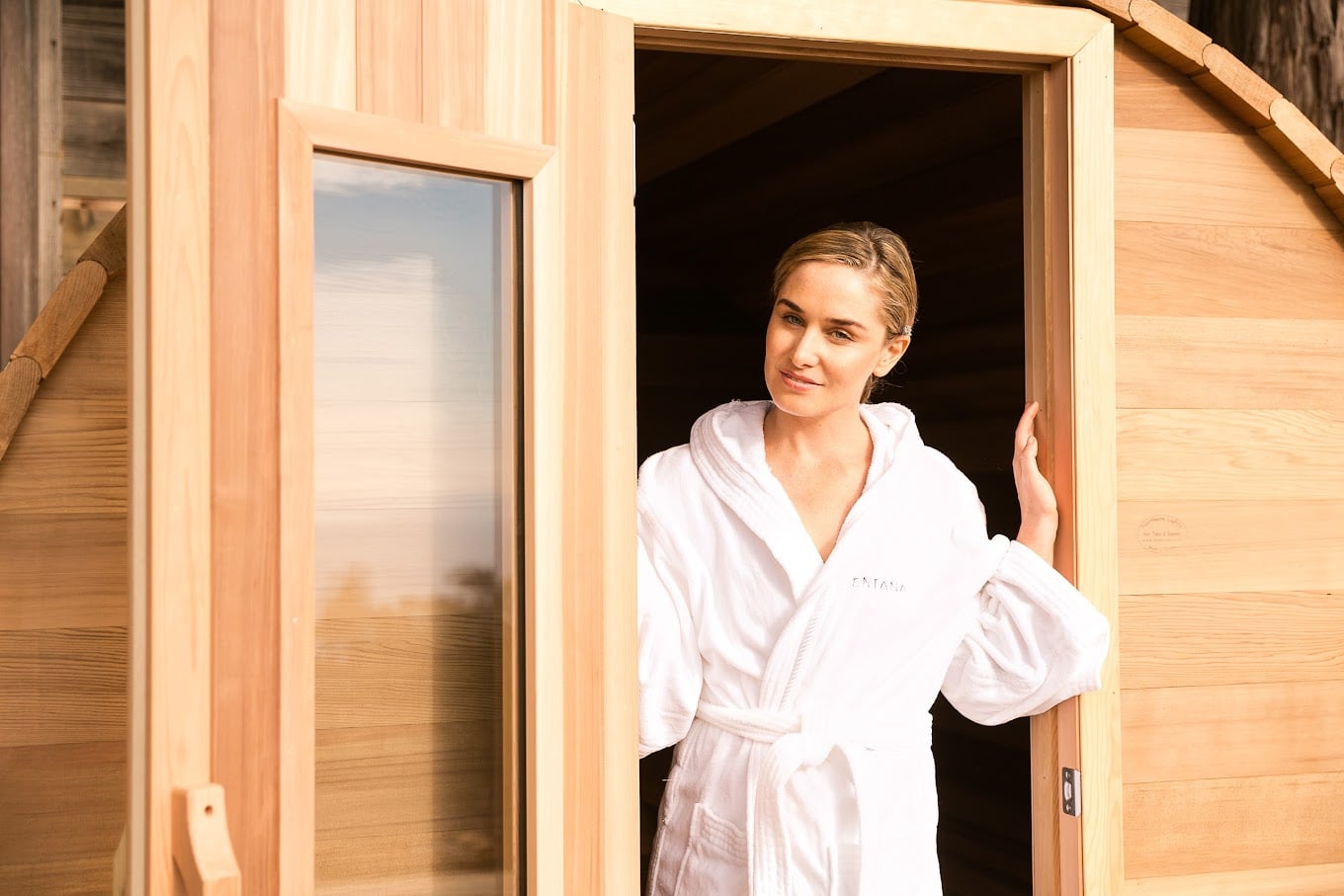
Most people already know a sauna feels good. What is less obvious is how many of those good feelings are backed by measurable changes in the body. Regular sauna bathing has been associated with the following benefits:
When you sit in a hot sauna, your skin temperature climbs to about 104°F within minutes and your core temperature rises slightly. Your body responds the way it does to light-to-moderate exercise: heart rate increases to roughly 100 to 150 beats per minute, blood vessels near the skin widen to shed heat, and blood circulation increases substantially. This is why a 15 to 20 minute session can leave you feeling as though you have had a gentle workout even though you were sitting still. Your body also produces heat shock proteins, which help cells repair and protect themselves, and it releases endorphins that create the relaxed, slightly euphoric feeling regular sauna users describe. Understanding this "heat stress" response explains most of the benefits listed above: nearly all of them trace back to increased circulation, a mild cardiovascular load and the hormonal changes that heat triggers.
| Benefit | What happens in the body | What research suggests |
|---|---|---|
| Heart health | Heart rate and circulation rise like light exercise | Frequent use linked to lower cardiovascular risk |
| Muscle recovery | Warm blood flushes tired, tight muscles | Eases soreness and stiffness after activity |
| Stress and sleep | Endorphins up, cortisol down, then a cooling drop | Associated with calmer mood and deeper sleep |
| Skin and detox | Sweating opens pores and flushes the skin | Leaves skin clearer and rosier over time |
The strongest evidence for sauna health benefits comes from Finland, where sauna bathing is part of daily life. A long-term study from the University of Eastern Finland, published in JAMA Internal Medicine in 2015, followed more than 2,300 middle-aged men for around 20 years. It found that men who used a sauna 4 to 7 times per week had roughly half the risk of dying from cardiovascular disease compared with those who used one only once a week, along with lower overall mortality. Later analyses from the same research group linked frequent sauna use to reduced risk of high blood pressure and even dementia. Researchers believe the repeated, mild cardiovascular stress of regular heat exposure trains the heart and blood vessels in a way that resembles the effect of moderate exercise. It is important to be clear that these are observational findings, not a promise of results, but they are consistent and come from a large, carefully tracked population.
Yes, and this is one of the most immediate benefits people notice. After exercise, muscles are tight and full of metabolic waste. The heat of a sauna widens blood vessels and pushes fresh, oxygen-rich blood into those muscles, which helps clear waste products and relaxes the tissue. That is why a sauna feels so good after a hard workout or a long day of physical work. For people living with ongoing joint pain or arthritis, the combination of warmth and improved circulation can bring real, if temporary, relief and greater freedom of movement. A traditional cedar sauna with a good sauna stove and proper sauna rocks gives you the steady, enveloping heat that makes these recovery sessions most effective.
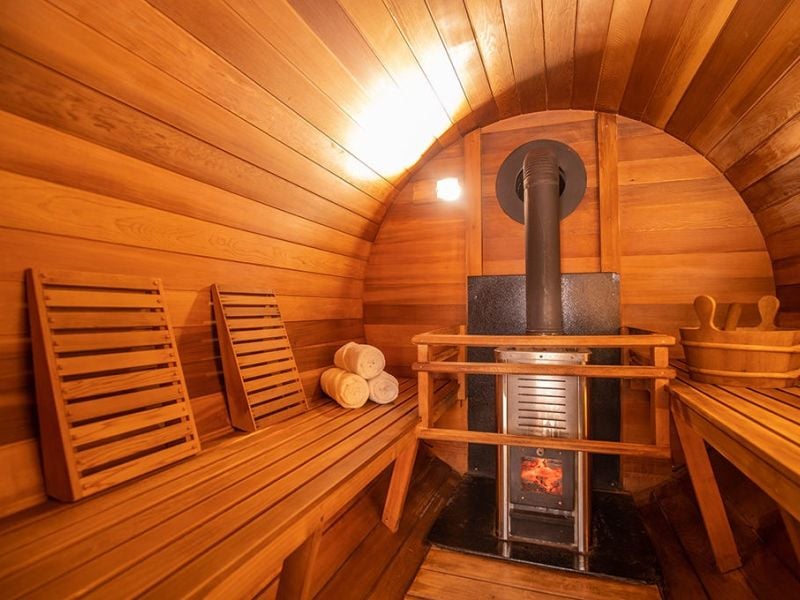
Few things quiet a busy mind like fifteen minutes in gentle heat. Physiologically, the warmth prompts your body to release endorphins while lowering levels of the stress hormone cortisol, which is why people so often describe a sauna as a mental reset. The effect on sleep is just as valuable. When you leave the sauna, your core temperature gradually falls, and that cooling-down process mimics the natural temperature drop your body uses to prepare for sleep. Many regular users find they fall asleep faster and sleep more deeply on the nights they use their sauna. Because a home sauna is private and screen-free, it also creates a rare pocket of quiet in the day, which is part of why the ritual matters as much as the heat itself.
Sweating is your body's natural cooling and cleansing system, and a sauna makes you sweat freely. As your pores open, the skin is flushed and the surge in circulation delivers nutrients to the skin's surface, which is why complexions often look clearer and rosier after regular sessions. On the immune side, the brief rise in body temperature during a sauna is thought to gently stimulate the immune system, and frequent users commonly report catching fewer colds through the year. As with heart health, these are best understood as supportive, everyday benefits rather than medical treatments, but they are a real part of why sauna cultures have valued the practice for centuries. For more on the specific advantages of dry heat, see our guide to the benefits of dry saunas.
All three deliver heat, but they do it differently, and the "healthiest" choice is the one you will actually use regularly.
For most homeowners who want the traditional, research-backed experience, a cedar barrel or cabin sauna with a good heater is the natural choice.
All three warm you up, but the effect on your body is not the same. A hot bath heats you quickly and pleasantly, yet it is hard to stay in for long and it does not surround you with the enveloping, breathable dry heat of a sauna. A steam room runs at a much lower temperature but 100% humidity, which feels heavier and suits congestion relief more than deep, sweat-driven heat conditioning. A traditional dry sauna sits in the sweet spot: high air temperature, controllable humidity from water on the rocks, and a comfortable environment you can stay in for 15 to 20 minutes at a time. That longer, hotter, whole-body exposure is what drives the circulation and cardiovascular response behind most of the researched benefits. If you are weighing the options for your own space, our guide to wet versus dry saunas breaks down the trade-offs in detail.
The research points in a clear direction: consistency matters more than marathon sessions. In the Finnish studies, the biggest benefits appeared in people who used a sauna 4 or more times per week, with sessions lasting around 15 to 20 minutes. A sensible routine for a healthy adult is a 10 to 20 minute session, cooling down and rehydrating with water between rounds if you do more than one. You do not need to endure discomfort to gain the benefits; the goal is a comfortable, sustainable habit. Because a home sauna removes the travel and booking hurdles of a gym or spa, owners tend to use theirs far more often, which is exactly the pattern the research rewards.
Saunas are safe for most healthy adults, but a few common-sense rules apply. Stay hydrated by drinking water before and after, limit early sessions to about 10 minutes while your body adjusts, and never use a sauna under the influence of alcohol. Step out if you feel dizzy or unwell. If you are pregnant, have low or unstable blood pressure, heart disease, or any chronic medical condition, talk to your doctor before starting a regular sauna routine. This article is general information, not medical advice, so treat your own health circumstances as the deciding factor.
If you are ready to enjoy these benefits on your own schedule, Northern Lights Cedar Saunas handcrafts saunas from clear Western red cedar, a wood prized for its stability, aroma and resistance to heat and moisture. Browse our cedar barrel saunas, our outdoor sauna kits, and our DIY sauna kits that arrive precut and ready to assemble. You can also explore the full range of outdoor saunas or bring the experience inside with an indoor cedar sauna. Every model is built to give you the steady, enveloping heat that makes a genuine sauna worth owning.
For most healthy adults, daily sauna use is fine and is associated with the strongest benefits in the research, as long as sessions are a comfortable 15 to 20 minutes and you stay hydrated. If you have a medical condition, check with your doctor first.
A sauna raises your heart rate and burns some extra calories, and you will lose water weight through sweat, but that water is regained as soon as you rehydrate. The real value is cardiovascular conditioning and recovery that support an active lifestyle, not lasting fat loss on its own.
A traditional dry sauna is typically enjoyed at 150 to 195°F. Infrared saunas run cooler, around 120 to 150°F, because they heat the body directly. Choose the temperature that lets you relax comfortably for 15 to 20 minutes.
Clear Western red cedar is the preferred choice. It stays dimensionally stable in heat and humidity, resists rot naturally and gives off a pleasant aroma without the resins that can pose problems in softwoods. See why cedar is the best choice for saunas for the full explanation.
Regular sauna use is linked to better heart health, faster muscle recovery, lower stress, improved sleep, clearer skin and a general sense of wellbeing. Most of these trace back to the increased circulation and gentle cardiovascular load that heat creates.
Long-term research from Finland has associated frequent sauna use with lower cardiovascular risk, because the heat raises your heart rate and widens blood vessels much like moderate exercise. If you have a heart condition, check with your doctor first.
Saunas make you sweat heavily, which flushes the pores and leaves skin feeling clean. Your liver and kidneys do the real detoxifying, so think of the sauna as supportive cleansing and a way to feel refreshed rather than a medical detox.
Many people sleep more deeply after a sauna. As your body cools down afterward, that temperature drop mimics the natural signal the body uses to prepare for sleep, which can help you fall asleep faster.
Yes. The heavy sweating opens the pores and the boost in circulation brings blood to the skin, which is why complexions often look clearer and rosier after regular sessions. Rinse and moisturise afterward to lock in the benefit.
For most healthy adults, a comfortable session is 10 to 20 minutes. Beginners should start shorter and build up, cooling down and drinking water between rounds rather than sitting in the heat continuously.
Anyone who is pregnant, has heart disease, low or unstable blood pressure, or another chronic condition should speak with a doctor before regular sauna use. No one should use a sauna after drinking alcohol.
Northern Lights handcrafts cedar barrel saunas, outdoor saunas and DIY kits from clear Western red cedar, built for steady, comfortable heat that lasts for decades.
Shop Cedar SaunasLooking for the perfect cedar sauna for your home? We’re here to help you find exactly what you need, from handcrafted cedar barrel saunas to outdoor saunas that promote relaxation and wellness. Whether you have questions about our products, installation, or need help with an order, our team is ready to assist.
Fill out the form, and we’ll get back to you as soon as possible to guide you toward a healthier lifestyle with the natural benefits of wood saunas.