Financing as Low as 0% APR on Approved Credit. Find out More.
Terms and conditions apply. See details here.


A dry sauna is a heated room, usually lined in cedar, that warms the air to roughly 150 to 195°F while keeping humidity very low, typically 10 to 20 percent. Unlike a steam room, a dry sauna surrounds you with hot, breathable air rather than thick moisture, and you control any humidity yourself by pouring a little water over the rocks. That simplicity is the whole appeal: dry saunas are easy to install, cheap to run, low-maintenance, and backed by more health research than any other kind of heat bathing. This guide covers the real advantages of a dry sauna and how to bring one home.
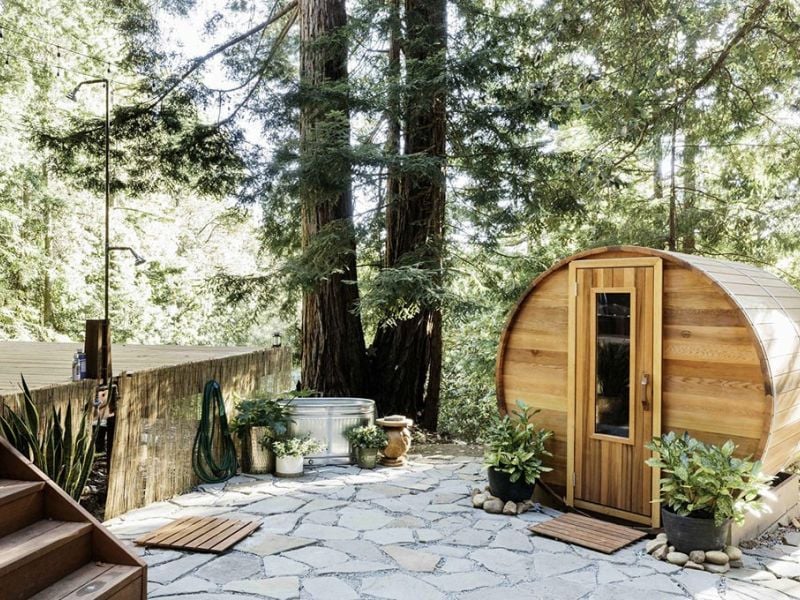
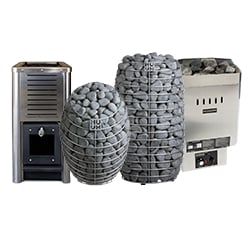
A dry sauna is the traditional, Finnish-style sauna most people picture: a snug cedar-lined room with tiered benches and a heater topped with sauna rocks. The heater warms the air to a high temperature while the room stays dry, so your body sweats freely and the heat feels clean and even. You can add short bursts of humidity, called loyly, by ladling water over the hot rocks, but the baseline environment is dry heat. This is different from a steam room, which runs cooler but at 100 percent humidity, and from an infrared sauna, which warms your body directly with radiant heaters instead of heating the air. If you want to see those differences side by side, our guide to wet versus dry saunas lays them out in detail.
The dry sauna is not a modern invention; it is one of humanity's oldest wellness traditions, with roots stretching back more than a thousand years in Finland and the wider Nordic region. Early saunas were simple structures where stones were heated over a fire and water was thrown over them to create bursts of steam, a practice built around cleansing, warmth and community. Over the centuries the design was refined but the principle never changed: heat a well-insulated wooden room, sweat freely, and let the body reset. Finland alone has millions of saunas today, roughly one for every two people, and the tradition has spread worldwide precisely because it works and asks so little in return. When you install a dry sauna at home, you are joining a lineage of heat bathing that has been valued for its health and its ritual for a very long time.
Dry saunas have stayed popular for centuries because they get so many things right at once. The standout advantages are:
Each of these deserves a closer look, because together they explain why a dry sauna is often the most practical wellness upgrade you can add to a home.
Yes, and this is the strongest argument for choosing one. Sitting in dry heat raises your heart rate and widens your blood vessels much like light exercise, which is why long-term studies of traditional dry-sauna use in Finland have linked frequent sessions to better cardiovascular health, lower stress, easier muscle recovery and improved sleep. The dry environment lets you sweat heavily without feeling smothered, so your body gets the full heat-conditioning effect. Regular users often report clearer skin, fewer colds and a reliable way to unwind at the end of the day. For the full breakdown of what the research shows and how to get the most from each session, see our guide to the health benefits of a sauna. As always, if you have a heart condition, are pregnant, or have another medical concern, check with your doctor before starting a regular routine.
This is where dry saunas quietly beat almost every other home wellness feature. Compare a dry sauna to a hot tub: the hot tub needs a pump, a filter, regular water testing, sanitising chemicals and a constant supply of heated water, all of which cost money and time month after month. A dry sauna needs none of that. There is no standing water, so there is nothing to filter, balance or drain. When the sauna is not in use it simply sits cool and dry, and cleaning amounts to an occasional wipe-down of the benches. Running costs come down to the electricity or firewood used during your sessions, and because cedar is such a good natural insulator, a well-built room heats efficiently and holds its temperature. Over the life of the sauna, that difference in upkeep adds up to real savings.
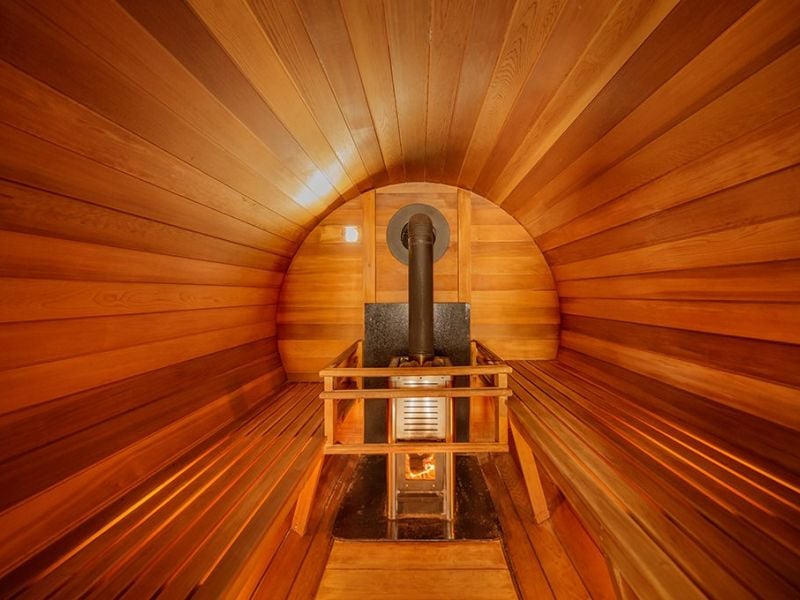
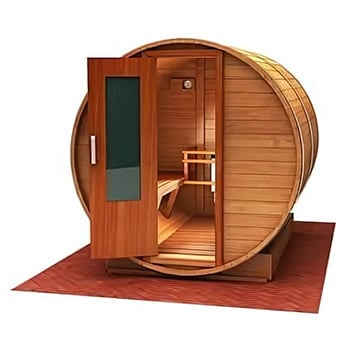
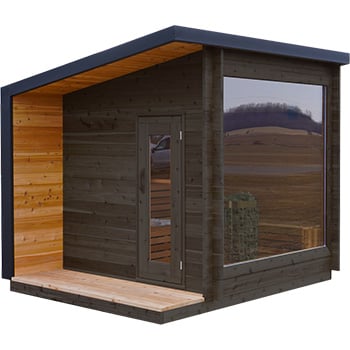
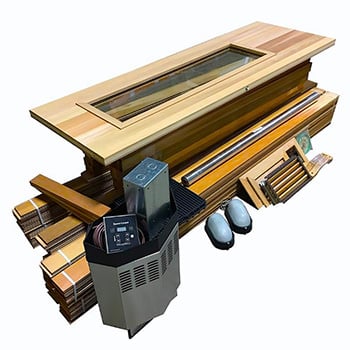
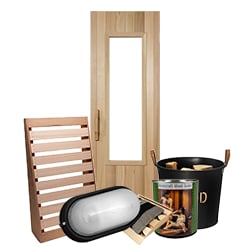
Easier than most people expect. Because a dry sauna needs no plumbing and no water hookup, installation is mostly carpentry and a heater connection. Many homeowners choose a precut kit and handle it as a weekend project. Our DIY sauna kits arrive with clear western red cedar boards, a prehung door and bench material, all labelled and ready to assemble. An indoor dry sauna is often tucked into a spare corner of a basement, where fewer materials are needed: you frame the walls and ceiling, staple a foil vapor barrier over the studs, mount the cedar directly over it, and lay a simple slatted floor over the existing surface. Keep the wiring to code and the sauna separate from wet areas like bathrooms, and the room comes together quickly. Prefer something ready-made and outdoor? Our cedar barrel saunas and outdoor saunas ship precut and go together in an afternoon.
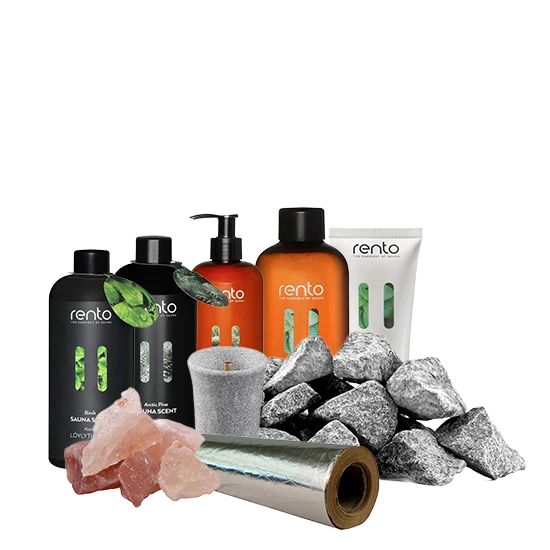
Wood choice matters more in a sauna than almost anywhere else in the home, and clear Western red cedar is the standard the best saunas are built to. Cedar stays dimensionally stable through the constant heating and cooling of sauna use, so it resists the warping and cracking that plague lesser woods. It is naturally rich in oils that resist rot and decay, it does not get uncomfortably hot to the touch the way denser woods can, and it fills the room with a soft, clean aroma every time it warms up. It also weathers beautifully if you place your sauna outdoors. For the full explanation of why it outperforms alternatives, read why cedar is the best choice for saunas. When you pair cedar with quality sauna rocks and a properly sized heater, you get the dry, even heat that defines a great session.
The "best" heat is the one that fits your body and your goals, but the three main options feel quite different.
| Type | Temperature | Humidity | Best for |
|---|---|---|---|
| Dry sauna | 150 to 195°F | Low (10 to 20%) | Heat conditioning, low maintenance, tradition |
| Steam room | 110 to 120°F | 100% | Congestion relief, moist warmth |
| Infrared sauna | 120 to 150°F | Low | Gentler, lower-temperature sessions |
Explore the alternatives in our guides to steam saunas and the benefits of infrared saunas. For most homeowners who want the classic, research-backed experience with the least fuss, the dry sauna is the natural pick.
Almost anyone with a little space can enjoy a dry sauna, and it suits a wide range of lifestyles. Athletes and active people value it for muscle recovery after training. Busy professionals use it as a private, screen-free way to decompress at the end of the day. Homeowners who want a spa-like feature without the ongoing cost and chemistry of a hot tub find the low-maintenance appeal hard to beat. Couples and families use it as a shared ritual, and people in cold climates simply love having reliable warmth on demand through winter. Because a dry sauna can be as compact as a two-person barrel or as generous as a cabin that seats a family, it scales to the space and budget you have. The one group that should take extra care is anyone with a heart condition, unstable blood pressure or a pregnancy, who should speak with a doctor before starting.
The right size depends on how many people will use it at once and where it will go. A compact two-person barrel sauna fits neatly on a patio or in a small yard and heats quickly, making it economical to run. A four to six person sauna suits families and frequent entertainers, while a larger cabin gives you room to lie down and stretch out. Indoors, measure the corner or room you have in mind and leave clearance around the heater as specified by the manufacturer. As a rule, it is better to size the heater to the room than to buy a big sauna and under-power it, which is why matching the heater output to the cubic volume of the room matters. Our team can help you match a model and heater to your space, and our outdoor and DIY ranges cover everything from snug two-seaters to full family cabins.
Getting the most from a dry sauna is simple. Warm the room to a comfortable temperature, enjoy a session of 10 to 20 minutes, and step out to cool down and rehydrate before going again if you like. Add loyly by pouring a small ladle of water over the hot rocks whenever you want a burst of humidity. Keep a towel on the bench to catch sweat, wipe the benches down occasionally, and leave the door open to let the room dry fully after use. That is essentially the entire maintenance routine. Because the environment is dry and cedar is naturally resistant to decay, a well-built dry sauna asks very little of you in return for years of comfortable heat.
If the advantages of a dry sauna sound like what you are after, Northern Lights Cedar Saunas builds them from clear Western red cedar, ready for your backyard, basement or spare room. Browse our cedar barrel saunas, our full range of outdoor sauna kits, and our precut DIY sauna kits, or bring the heat indoors with an indoor cedar sauna. Each one delivers the clean, dry, enveloping warmth that has made the sauna a household ritual for a thousand years.
Neither is universally better; they suit different goals. A dry sauna gives hotter, breathable heat with the most health research behind it and far less maintenance. A steam room offers moist warmth that some prefer for congestion. Many people simply choose the dry sauna for its simplicity.
Yes. Pouring a small ladle of water over the hot rocks creates a short burst of steam called loyly. The room returns to dry heat quickly, so you stay in control of the humidity throughout your session.
Running costs are limited to the electricity or firewood used during sessions, with no pumps, filters or chemicals. Cedar's natural insulation makes the room heat efficiently, so a typical home session is inexpensive compared with running a hot tub.
No. Because there is no standing water, maintenance is minimal: wipe the benches occasionally and let the room air-dry after use. There is no water chemistry, filters or special cleaning products to buy.
A dry sauna is a heated, usually cedar-lined room kept at about 150 to 195 degrees Fahrenheit with very low humidity. You control the humidity yourself by pouring water over the hot rocks.
Dry saunas offer proven heat-conditioning benefits for the heart, muscle recovery, stress and sleep, plus very low running cost and maintenance and a comfortable, breathable heat.
Yes. Dry-heat sauna use is the type behind most published health research, and it is linked to better cardiovascular health, easier muscle recovery, lower stress and improved sleep for most healthy adults.
A traditional dry sauna is typically enjoyed between 150 and 195 degrees Fahrenheit, with low humidity so the heat feels clean and breathable rather than heavy.
Yes. Because a dry sauna needs no plumbing, it installs easily indoors, often in a spare corner of a basement. You frame the walls, add a foil vapor barrier, mount cedar over it, and connect the heater.
Most well-insulated dry saunas reach temperature in about 30 to 45 minutes, depending on the heater size, the room volume and whether it is indoors or exposed to cold outdoor air.
Northern Lights handcrafts cedar barrel saunas, outdoor saunas and DIY kits from clear Western red cedar, built for steady, comfortable heat that lasts for decades.
Shop Cedar Saunas
Looking for the perfect cedar sauna for your home? We’re here to help you find exactly what you need, from handcrafted cedar barrel saunas to outdoor saunas that promote relaxation and wellness. Whether you have questions about our products, installation, or need help with an order, our team is ready to assist.
Fill out the form, and we’ll get back to you as soon as possible to guide you toward a healthier lifestyle with the natural benefits of wood saunas.