
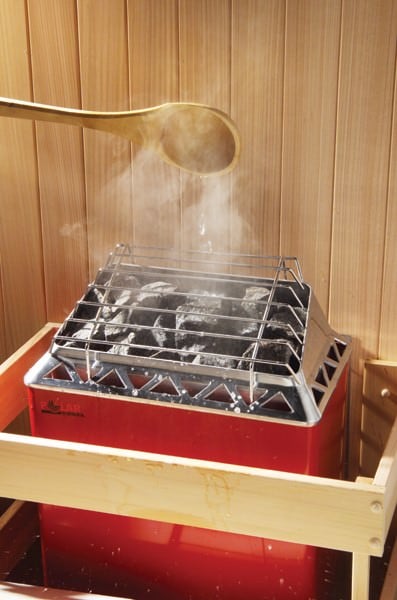
If you have ever stepped into a traditional Finnish sauna and felt that sudden, enveloping rush of steam the moment water hits the heated rocks, you have already experienced
Löyly (pronounced “leu-lu”) — and there is a reason Finnish culture treats it with near-sacred reverence. This single word, untranslatable in any other language, captures the soul of authentic sauna bathing. Understanding löyly is not just about knowing a foreign term; it is about grasping why a genuine sauna experience is so profoundly different from simply sitting in a hot room.
In this guide, we break down the cultural roots, the science, the safety practices, and the modern applications of löyly — so you can get the very most out of your sauna sessions, whether you use a traditional wood-burning sauna, an electric heater, or a classic cedar barrel sauna.
The Deep Meaning of Löyly: More Than Just Steam
In the Finnish language, löyly literally translates closest to “Spirit of Life.” But even that falls short. For centuries, the Finnish sauna was considered a sacred space — as spiritually significant as a church. Families gathered in the sauna to celebrate births, grieve deaths, heal illnesses, and mark the rhythms of life.
Löyly was the living force within that space. When water was poured over the kiuas (the sauna stove), the rising cloud of steam was not merely moisture — it was believed to carry healing energy, purify the body and mind, and restore harmony between a person and the natural world. This holistic worldview made the sauna far more than a hygiene ritual; it was a form of therapy, meditation, and spiritual renewal rolled into one.
Even today, modern Finns — and sauna enthusiasts worldwide — describe the perfect löyly as an almost meditative experience. The right quality of steam, the right temperature, the right pace: these elements come together to produce a sensation that is deeply restorative. That is the legacy behind this remarkable word.
The Science Behind Löyly: Why Steam Feels So Different
From a physiological and thermodynamic standpoint, löyly produces effects that dry heat simply cannot replicate. Here is what is actually happening inside your body and inside the sauna room:
- Latent Heat Transfer: When water is poured onto hot sauna rocks (typically heated to 400–900°F / 200–480°C), it flash-evaporates and releases latent heat energy. This steam carries significantly more energy per unit than the ambient convective air heat. When it condenses on your cooler skin, it transfers that stored energy directly to your body, creating an immediate and intense sensation of warmth.
- Perceived Temperature vs. Actual Room Temperature: Interestingly, adding water to the rocks can actually cause a slight drop in overall room temperature — yet you will feel hotter. This is because the steam raises your skin surface temperature more efficiently than dry air convection. The body’s perceived heat load increases even as the thermometer dips slightly.
- Skin Pore Activation and Perspiration: The moist heat causes rapid dilation of skin pores, triggering a significant surge in perspiration. This is the core benefit of sauna bathing — deep, cleansing sweat that helps flush metabolic waste, improve circulation, and support skin health.
- Respiratory Benefits: The warm, humidity-rich air is soothing for the airways. Many users report relief from mild respiratory congestion and improved breathing during and after a proper löyly session.
- Endorphin and Stress Response: The thermal stress from löyly triggers a mild hormetic response — a controlled, beneficial stress that activates the body’s repair and recovery mechanisms, often leading to elevated mood and reduced cortisol levels post-session.
These combined effects are why regular sauna users consistently report extensive health benefits of saunas, from improved cardiovascular function to better sleep and accelerated muscle recovery.
Löyly vs. Dry Heat: Choosing Your Sauna Experience
Not every sauna session uses löyly, and that is perfectly valid. The choice between a wet sauna (with steam) and a dry sauna comes down to personal preference, health considerations, and the type of heater you are using.
Traditional Finnish saunas and wood-burning models are perfectly designed for löyly — the rocks retain and release heat in a way that creates soft, enveloping steam rather than harsh bursts. If you are comparing heater types, understanding which sauna heater is best for your needs — electric, wood, or propane — will help you decide which setup supports the löyly experience you are looking for.
Infrared saunas, by contrast, work differently: they heat the body directly through infrared radiation rather than heating the air. Water added to an infrared sauna does not produce the same löyly effect, as there are no traditional hot rocks involved. If the löyly experience is central to your sauna goals, a traditional electric or wood-burning heater with a proper rock bed is the recommended choice.
How to Create the Perfect Löyly: A Step-by-Step Approach
Mastering löyly is an art form developed over time. Here are the core practices used by experienced sauna bathers:
- Use the Right Rocks: Only purpose-made sauna rocks should be used. Regular stones can crack explosively when exposed to rapid temperature changes. Purpose-built sauna stones are dense and heat-retentive, producing a gentle, lasting löyly rather than a sharp burst of steam.
- Use a Long-Handled Ladle: Always use a proper sauna ladle (typically 14–18 inches long) to pour water onto the rocks. This protects your hands and face from the initial blast of steam, which can reach temperatures high enough to cause burns.
- Start Small: Begin with a small amount of water — about 100ml (roughly half a cup) — and wait 30–60 seconds before adding more. Allow your body to adjust to each increase in humidity and perceived temperature.
- Enhance with Aromatics: Many traditional Finnish and Nordic bathers add birch extract, eucalyptus oil, or pine tar to their water. These aromatic compounds not only deepen the sensory experience but may also offer mild therapeutic benefits for the respiratory system.
- Practice Respect for Fellow Bathers: In a shared sauna, always ask before adding water to the heater. Some bathers prefer a dry heat, and the sudden steam can be overwhelming or uncomfortable for those not expecting it. This simple courtesy is a cornerstone of sauna etiquette worldwide.
Löyly and Sauna Safety: What Every Bather Must Know
While löyly is deeply beneficial when practiced correctly, it does carry real risks if approached carelessly. Here are the key safety principles every sauna user should know:
- Steam Burns Are Real: The steam produced when water hits hot rocks can instantly exceed 212°F (100°C) and travel quickly across the sauna. Always pour slowly, step back, and never lean over the heater.
- Start Low and Build Up: First-time sauna users should begin at lower temperatures (140–160°F / 60–71°C) with minimal steam. Gradually increase both temperature and steam over multiple sessions as your body acclimatises.
- Stay Hydrated: Löyly accelerates perspiration significantly. Drink water before and after your session — not alcohol, which accelerates dehydration and impairs the body’s ability to regulate temperature.
- Know Your Limits: Individuals with cardiovascular conditions, low blood pressure, or who are pregnant should consult a physician before using a sauna. The thermal stress from löyly is more intense than dry heat and requires a healthy baseline to enjoy safely.
- Ventilation Matters: A properly ventilated sauna is essential for both comfort and safety. A sauna needs to breathe — proper airflow prevents the buildup of stagnant, overly humid air that can make a sauna feel suffocating rather than restorative.
Frequently Asked Questions About Löyly
Löyly is a Finnish word with no direct English equivalent. It describes the steam produced by pouring water on hot sauna rocks, but culturally it carries a deeper meaning — often translated as “Spirit of Life.” It represents the living essence of the sauna experience in Finnish tradition.
Yes, but it should be introduced gradually. New sauna users should start at lower temperatures and use only a small amount of water on the rocks. The steam intensifies the heat felt by the body, so beginners should give themselves time to acclimatise over several sessions before increasing the steam level.
No — infrared saunas do not have traditional sauna rocks and are not designed for water use. Pouring water inside an infrared sauna can damage the heating panels and create a safety hazard. Löyly is specific to traditional saunas with a kiuas (rock heater), whether wood-burning or electric.
A standard starting amount is approximately 100ml (half a cup) at a time. After pouring, wait at least 30–60 seconds before adding more. Experienced bathers may pour more frequently, but patience and incremental additions produce a more pleasant and controllable steam experience.
Yes — many sauna enthusiasts add a few drops of eucalyptus, birch, or pine essential oil to their ladle water. This creates an aromatic löyly that adds a sensory dimension to the experience. Always use food-grade or sauna-specific essential oils and avoid adding them directly to the rocks.
A steam room continuously pumps moist steam into an enclosed space, maintaining high humidity throughout. Löyly, by contrast, is a deliberate, controlled burst of steam created by pouring water on hot rocks. The temperature in a Finnish sauna is much higher than in a steam room, and the steam is used intermittently rather than continuously. For a full comparison, see our detailed guide on sauna vs. steam room differences and benefits.
Indirectly, yes. The wood used in a sauna barrel or room affects heat retention, humidity response, and overall ambiance. Western red cedar, for example, naturally resists moisture and warping, which helps maintain a stable sauna environment optimal for consistent löyly. Learn more about the best wood for a sauna.
Final Thoughts: Embrace the Spirit of Löyly
Löyly is not a technique — it is a philosophy. It is the understanding that a sauna session is not just about heat, but about the quality of that heat, the intention behind it, and the connection it creates between you, the natural elements, and those you share it with.
Whether you are building your first outdoor barrel sauna, upgrading your heater, or simply looking to deepen your existing sauna practice, appreciating löyly will transform how you approach every session. Pour slowly, breathe deeply, and let the steam do its ancient work.
Explore our full range of cedar barrel saunas and wood-burning heaters designed to deliver an authentic löyly experience — built for North American homes and climates.